

Senior Thesis



Artist/Designer Statement
My name is Sam Goldman, a graduating senior at the University of Wisconsin–Madison studying Textile and Fashion Design with minors in Entrepreneurship and Architecture, and my work lives at the intersection of heritage sportswear, craft, and memory. I grew up surrounded by making, whether building with Legos, sketching logos, or constructing a snowboard park in the backyard. I have always been drawn to creating something from nothing. That instinct eventually led me to design, where I now work with tools like the Adobe Suite and AutoCAD to develop garments that feel both considered and rooted.
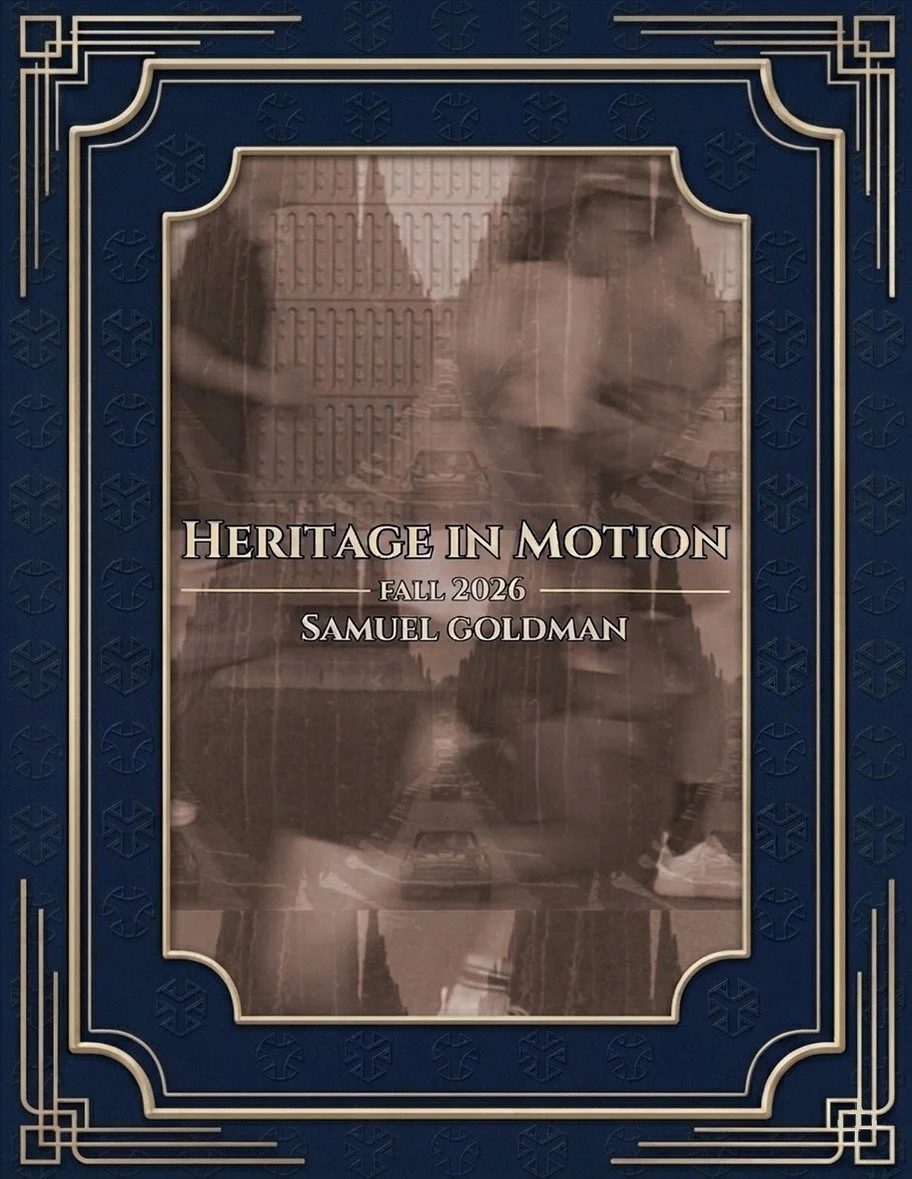
My aesthetic sensibility was shaped early by the world of tennis and golf. My father was a competitive tennis player, and my uncle is a professional tennis coach, so these sports have been a constant presence in my life, not just as games, but as a way of seeing. What draws me to them is not only the athleticism but the visual culture they carry: the silhouettes, the fabrics, the codes of dress that have accumulated meaning over decades. My grandfather's wardrobe in particular has been a formative reference, the way garments used to be constructed, the care built into each piece, the sense that clothing was made to last and to mean something. That tension between past and present is at the heart of my practice, and it finds its fullest expression in my collection Vitesse (Heritage in Motion).
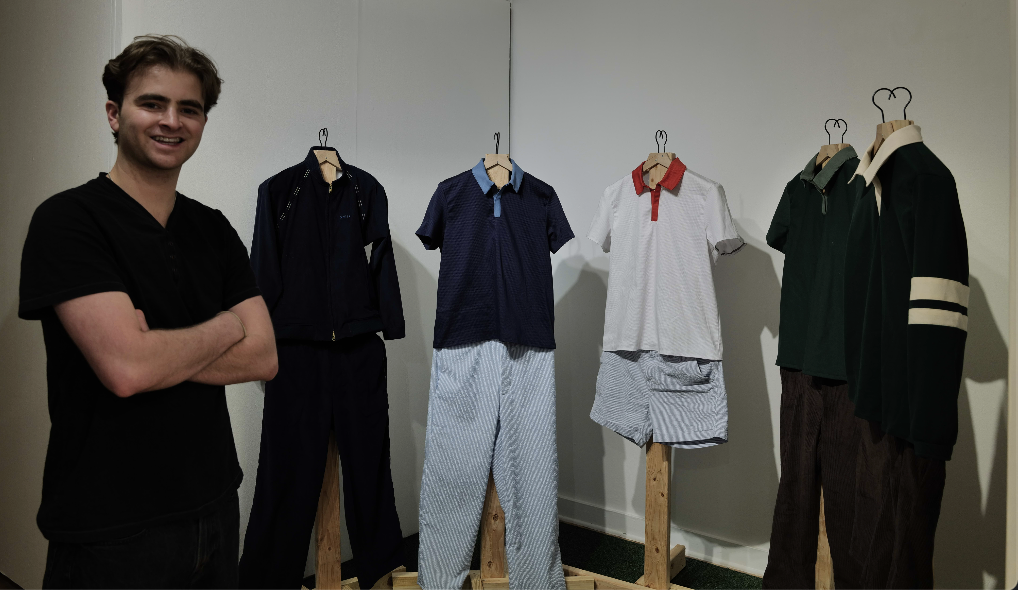
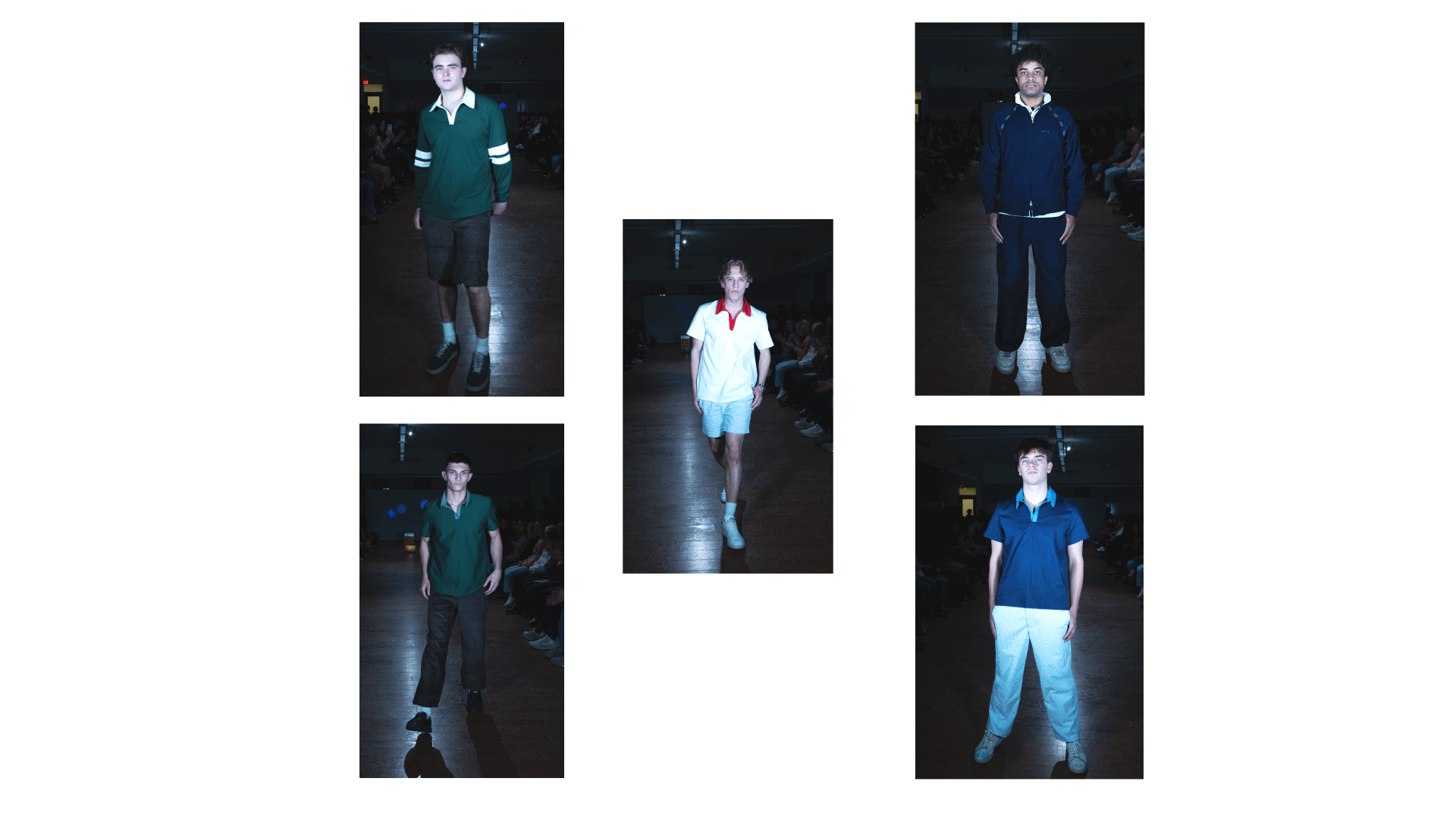
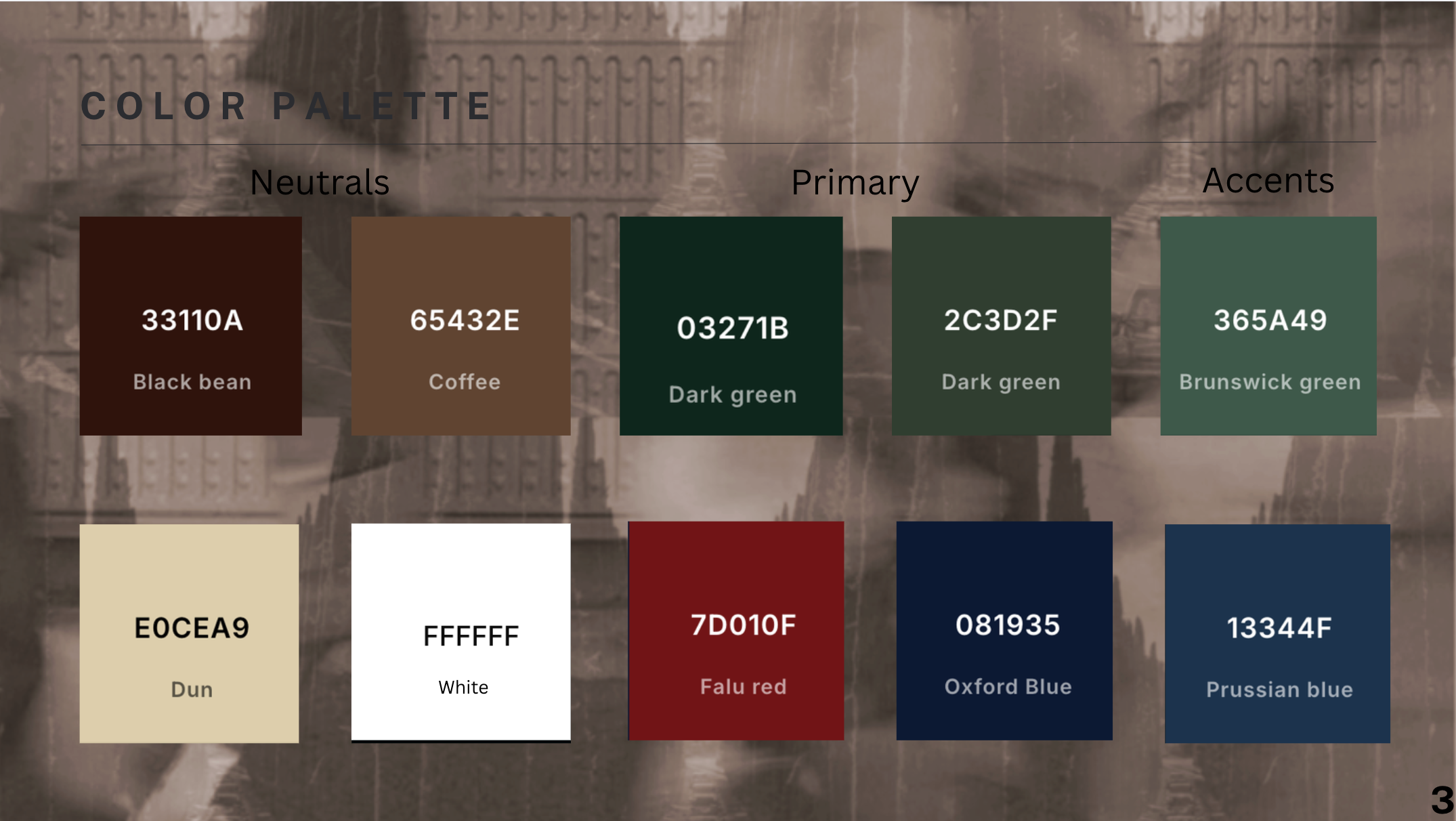
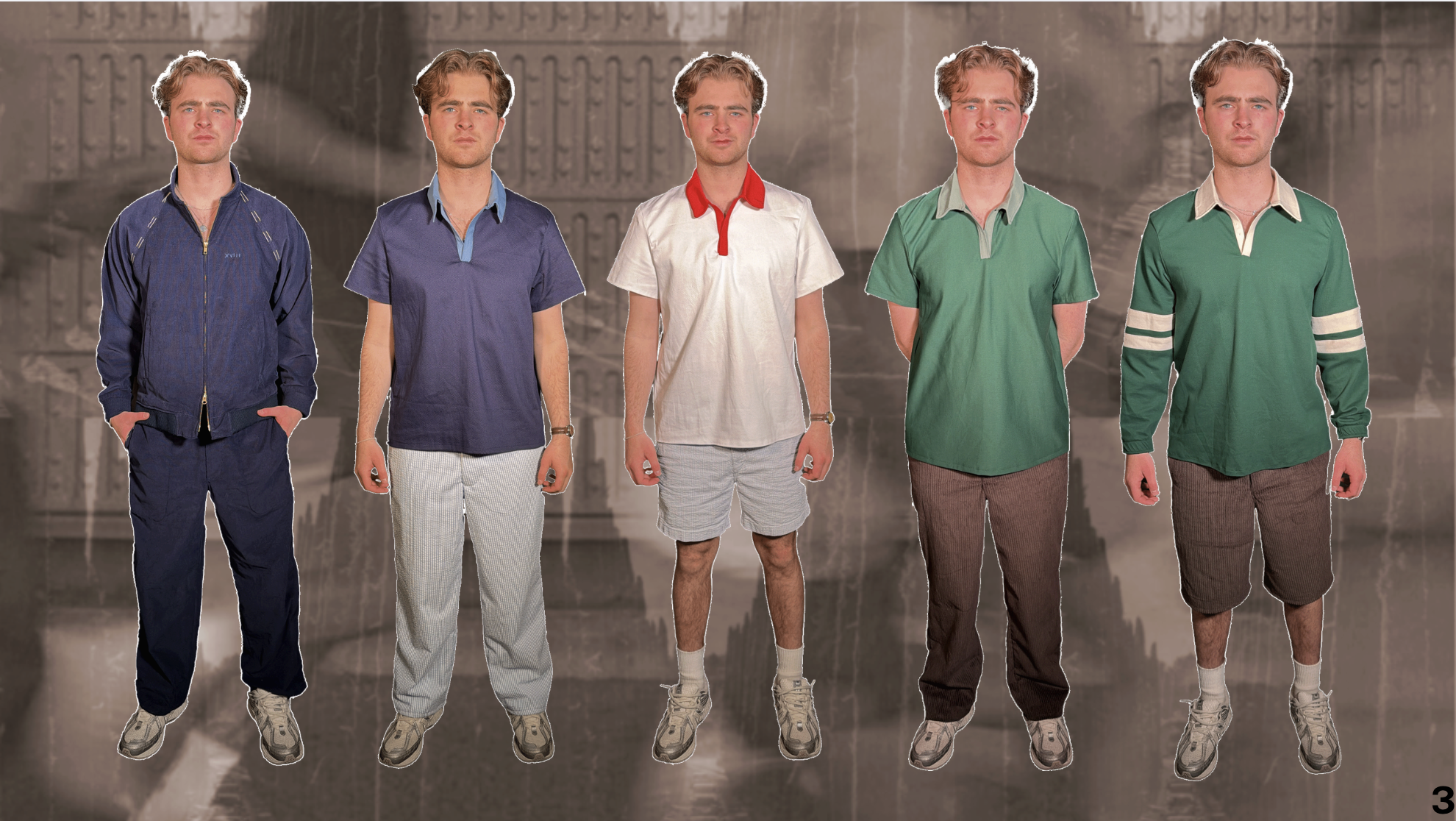
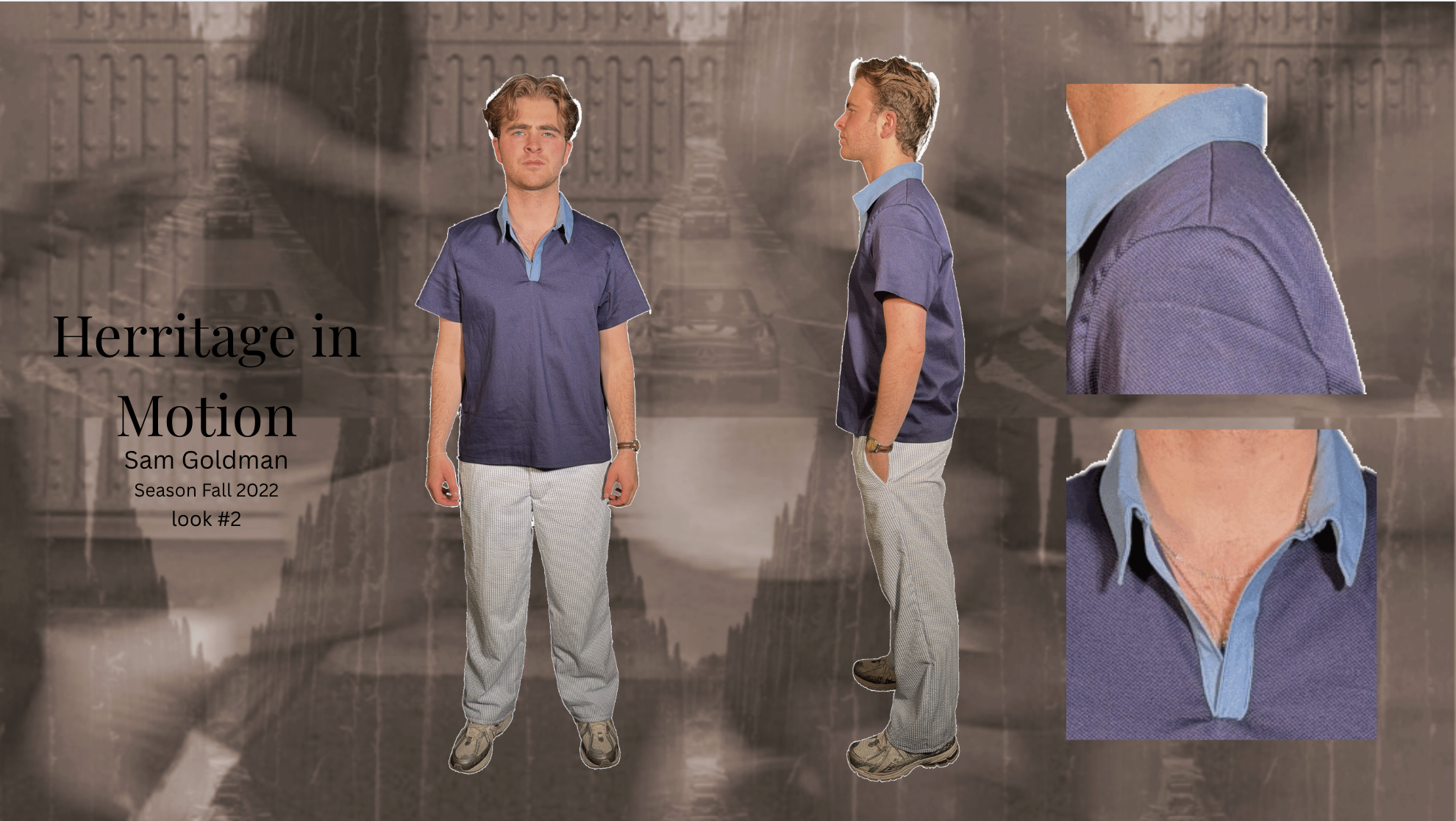
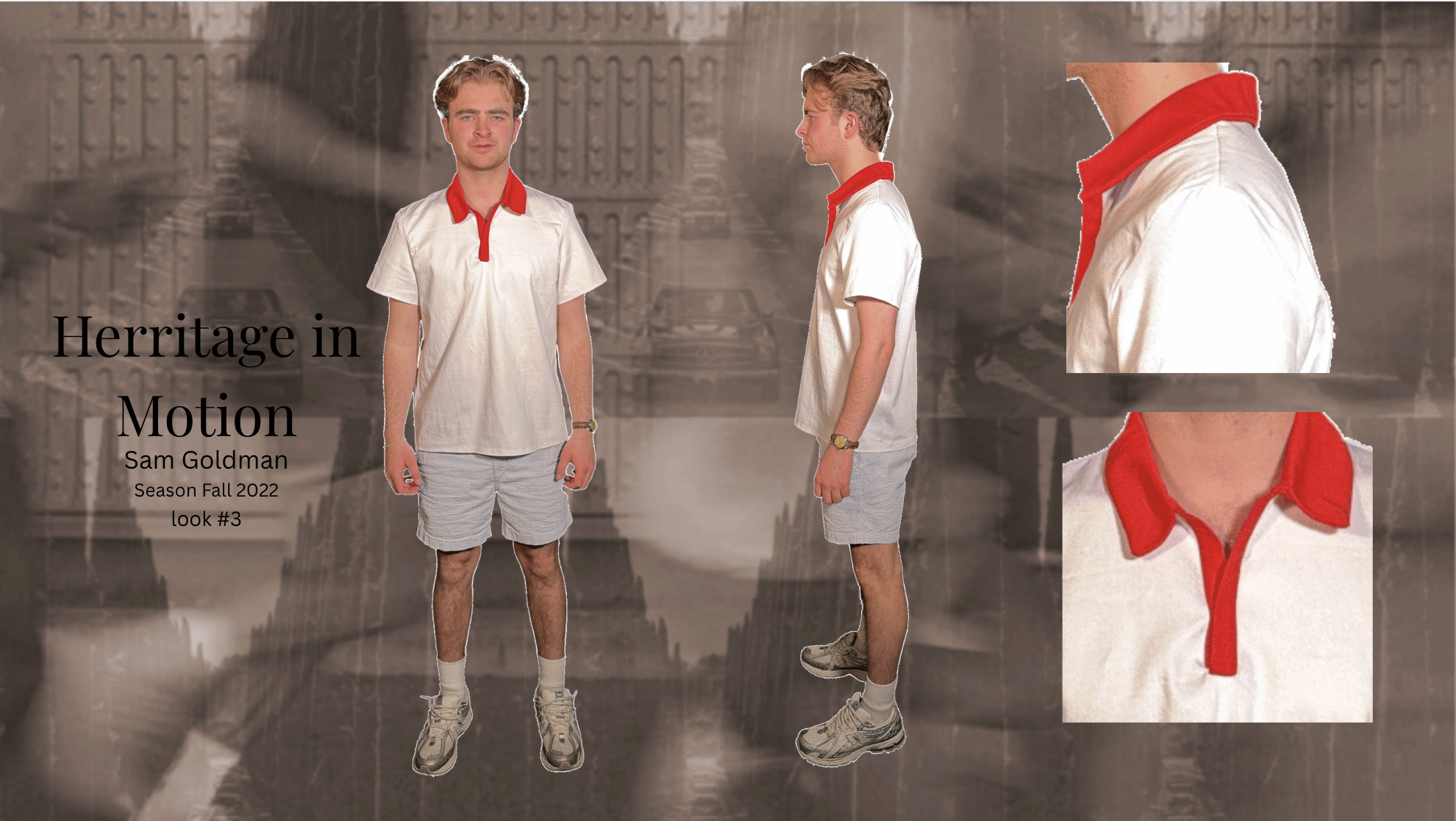
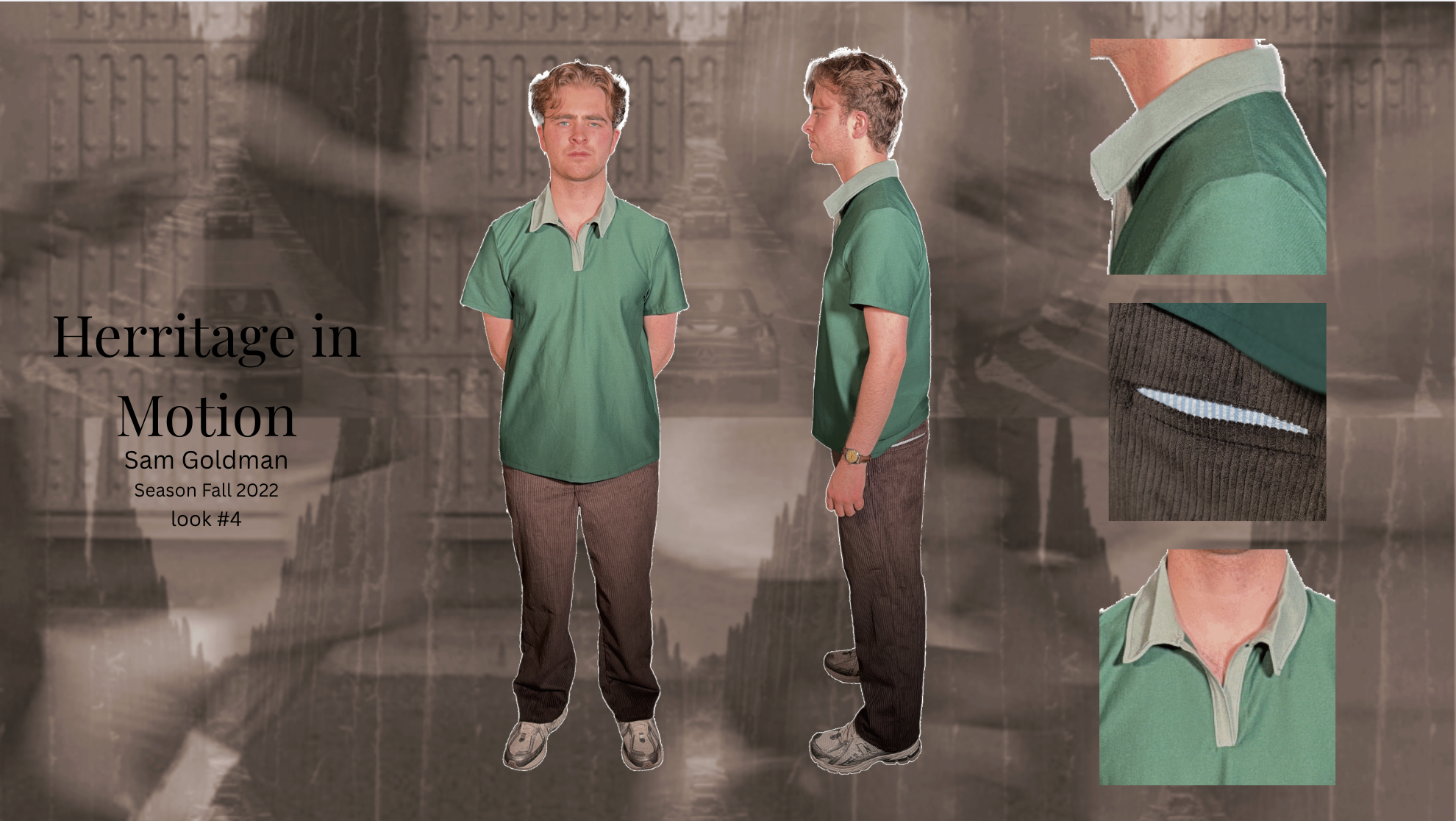
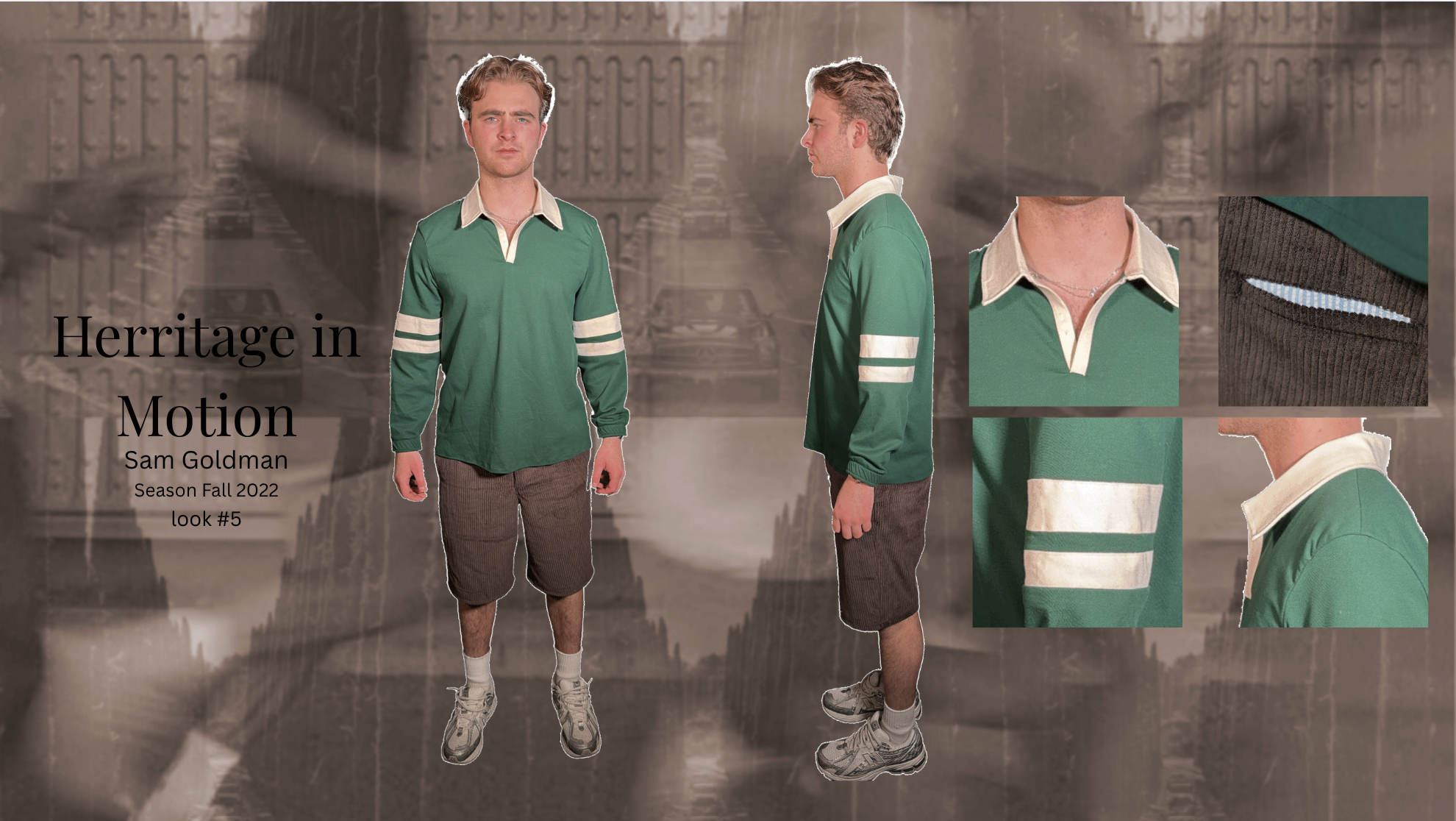
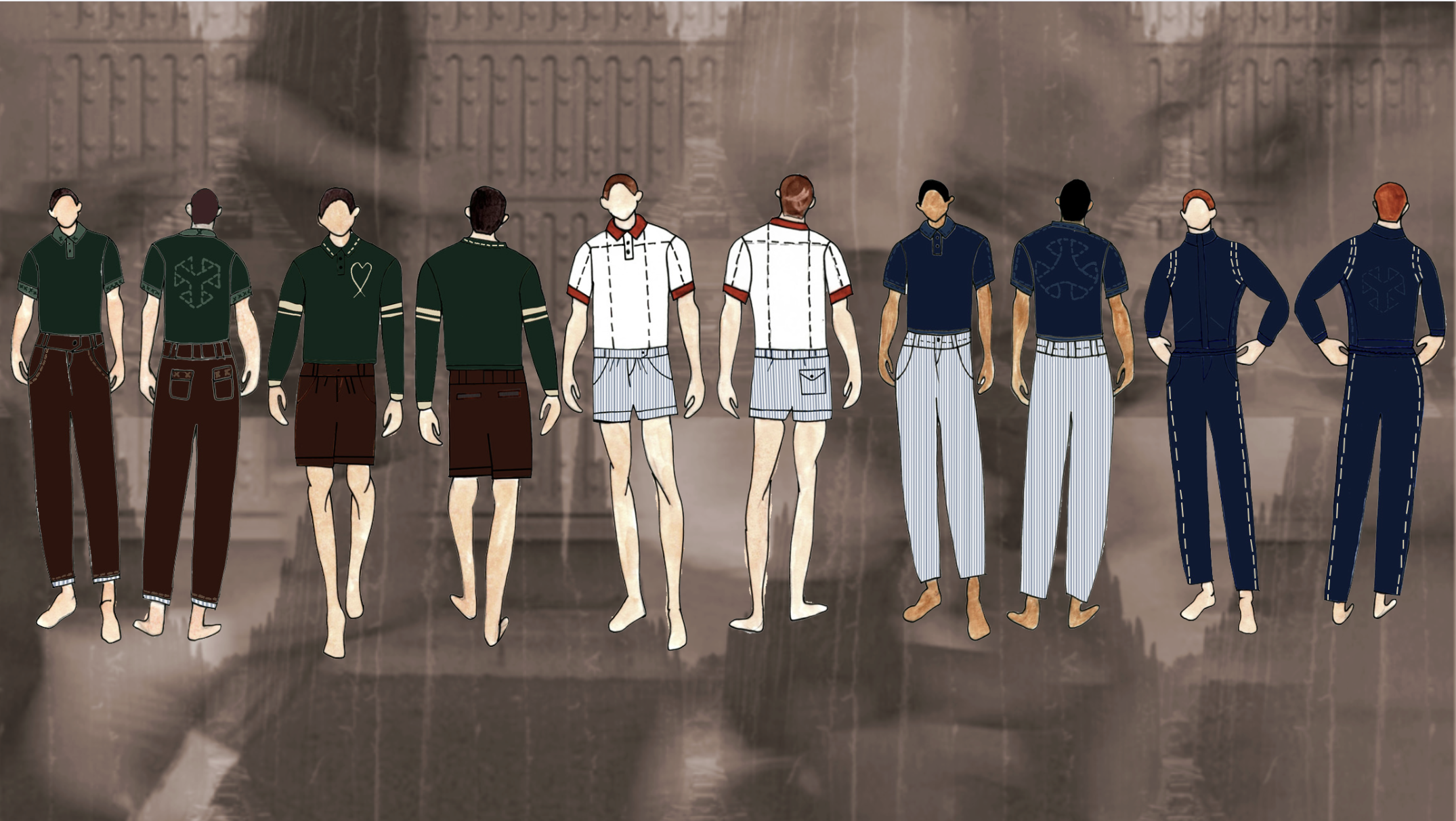
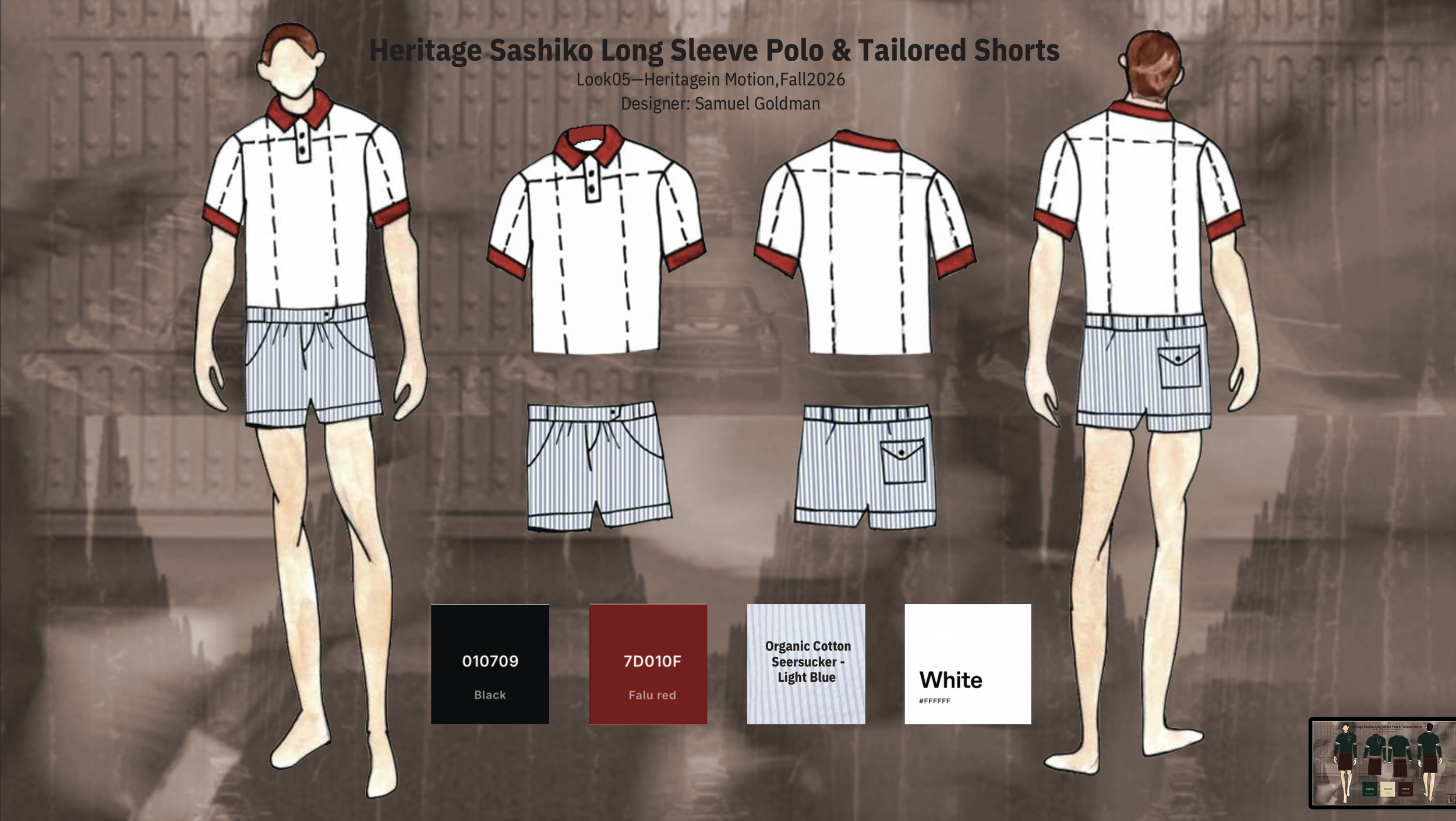
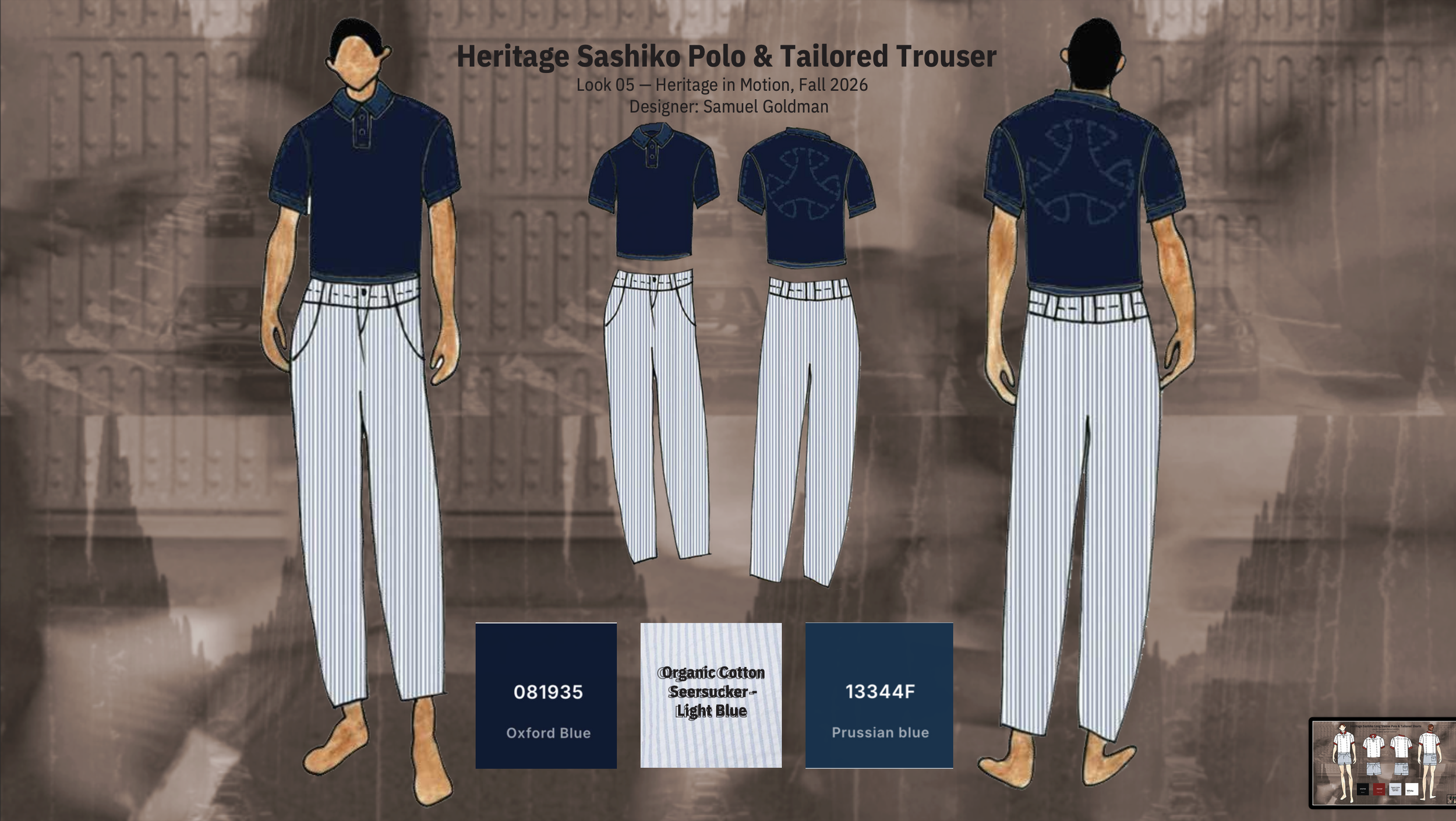
Vitesse (Heritage in Motion) is a menswear collection built around a single question: what does it mean to carry history forward? The collection draws from vintage sportswear codes, polo silhouettes, seersucker trousers and shorts, and ringer collar detailing reinterpreted through a contemporary lens, rendered in a restrained palette of forest green, deep navy, burgundy, and chalk white. The seersucker cotton, with its puckered texture and association with warm-weather leisure and old-world athleticism, reinforces that sense of nostalgic familiarity, a fabric that already carries memory before a stitch is placed.
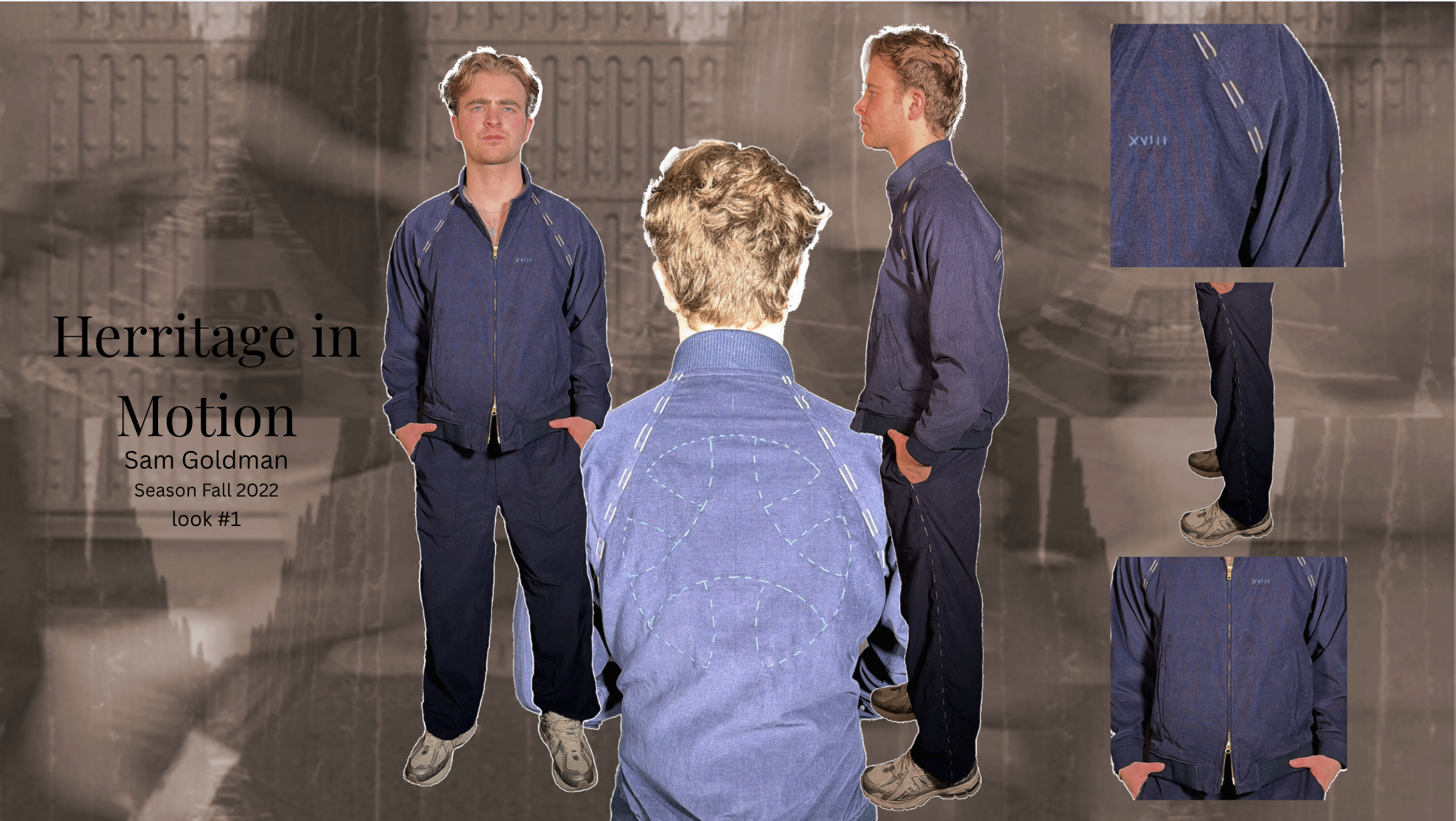
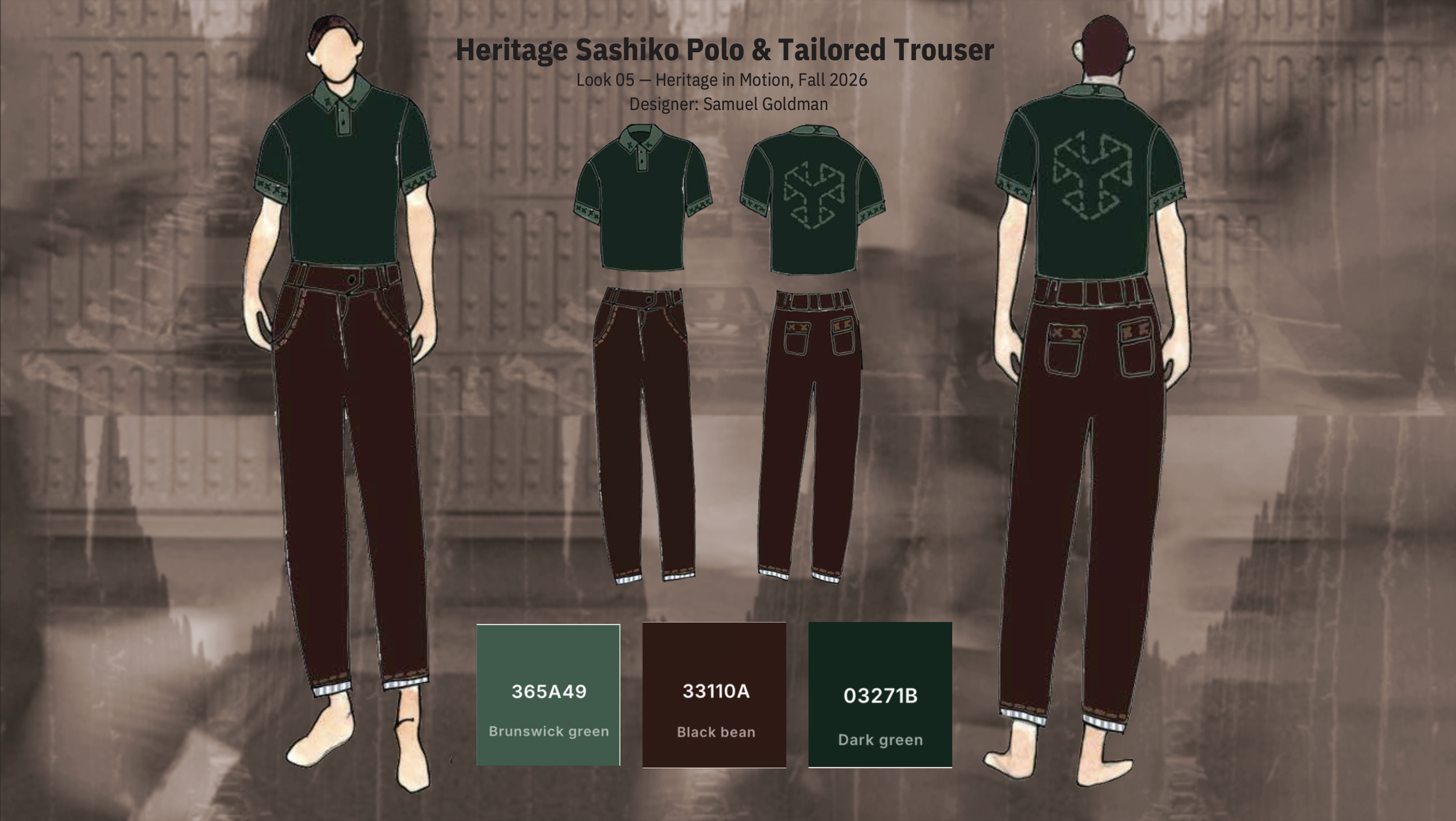
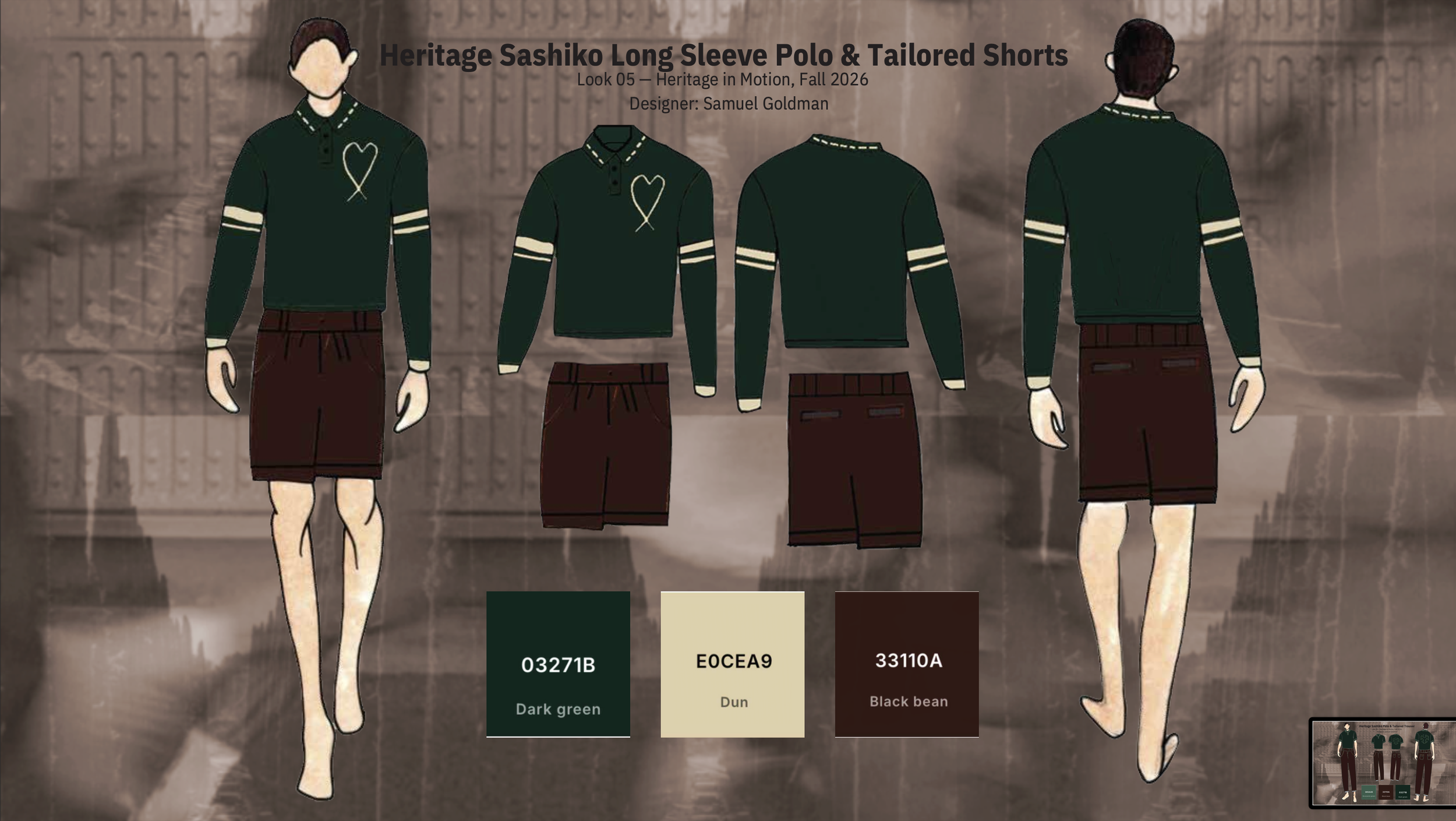
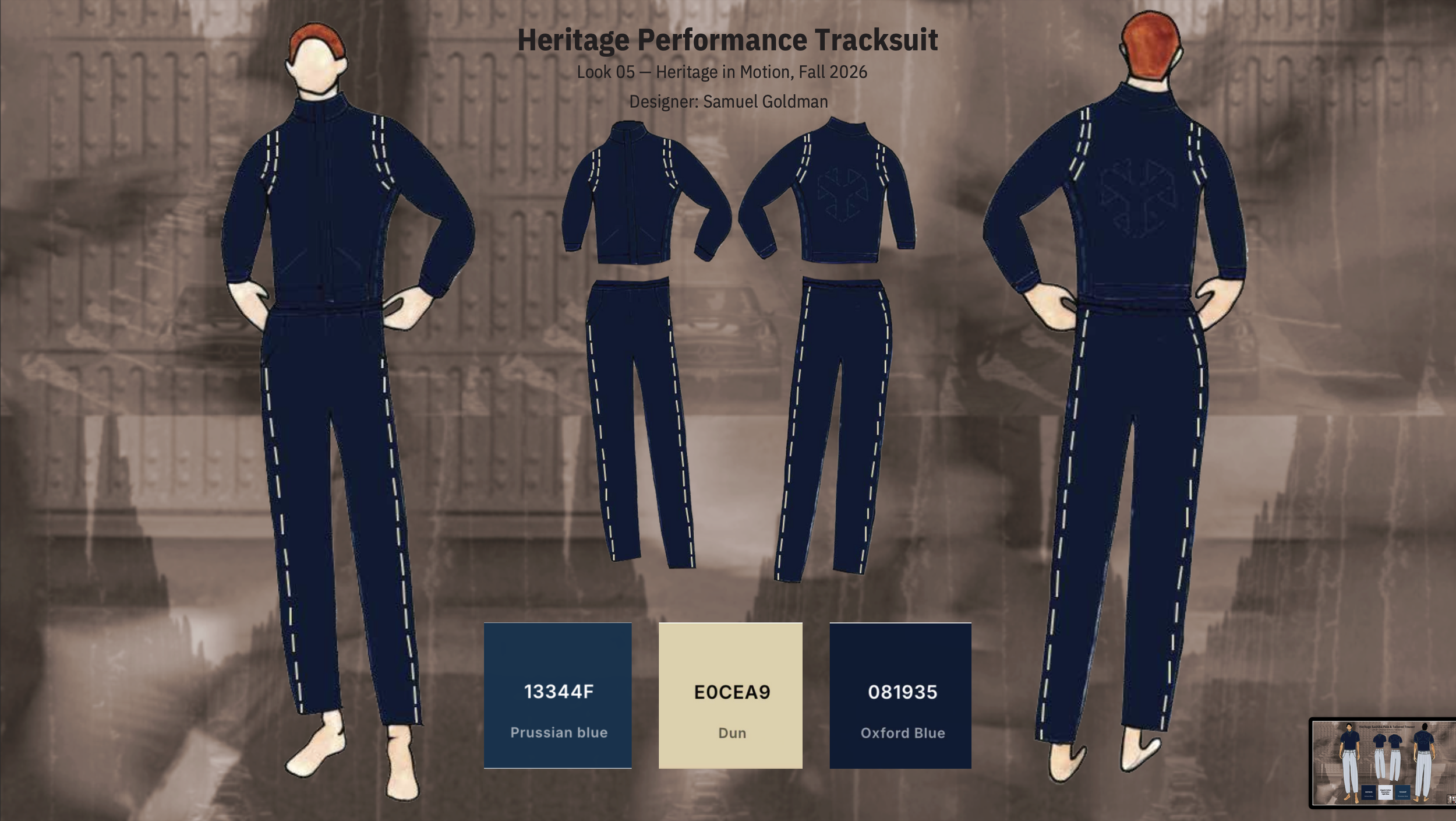
Sashiko stitching and motifs are embedded across the garments as a visual language of heritage. The geometric patterns visible on the backs of polo shirts and across knitwear reference the traditional Japanese folk craft known for its rhythmic, repeating forms. Here, sashiko becomes a bridge between cultural traditions: its meditative, pattern-based logic applied to Western athletic silhouettes creates a quiet tension between origins. The stitched motifs do not shout; they accumulate, the way inherited detail does, noticed slowly and carrying meaning the longer you look. A polo collar, seersucker cotton, and a sashiko pattern repeated across a back panel; these are not neutral choices. They are traditions in conversation with one another. Vitesse asks what happens when those traditions are honored without being frozen, brought forward without being erased.